RESEARCH

We focus research in the following areas to provide advanced industrial development cases for Eastern European countries.

The aviation industry is known as the crown jewel of the manufacturing industry and an important symbol for measuring a country’s comprehensive strength. The UK has a very comprehensive technology in the aviation industry, ranking second in the world and first in Europe. The revenue of the aerospace industry in the United Kingdom accounts for 17% of the global aerospace market revenue, and it is the country with the largest market share in Europe, second only to the United States in the world. There are 111,000 direct employees and 126,000 indirect employees. The aviation industry in the UK has a complete range, involving the design and manufacture of aircraft airframes, aero-engines, guided weapons and airborne systems and equipment, as well as related services. Major core companies include Rolls-Royce, Airbus, Bombardier, Augusta 
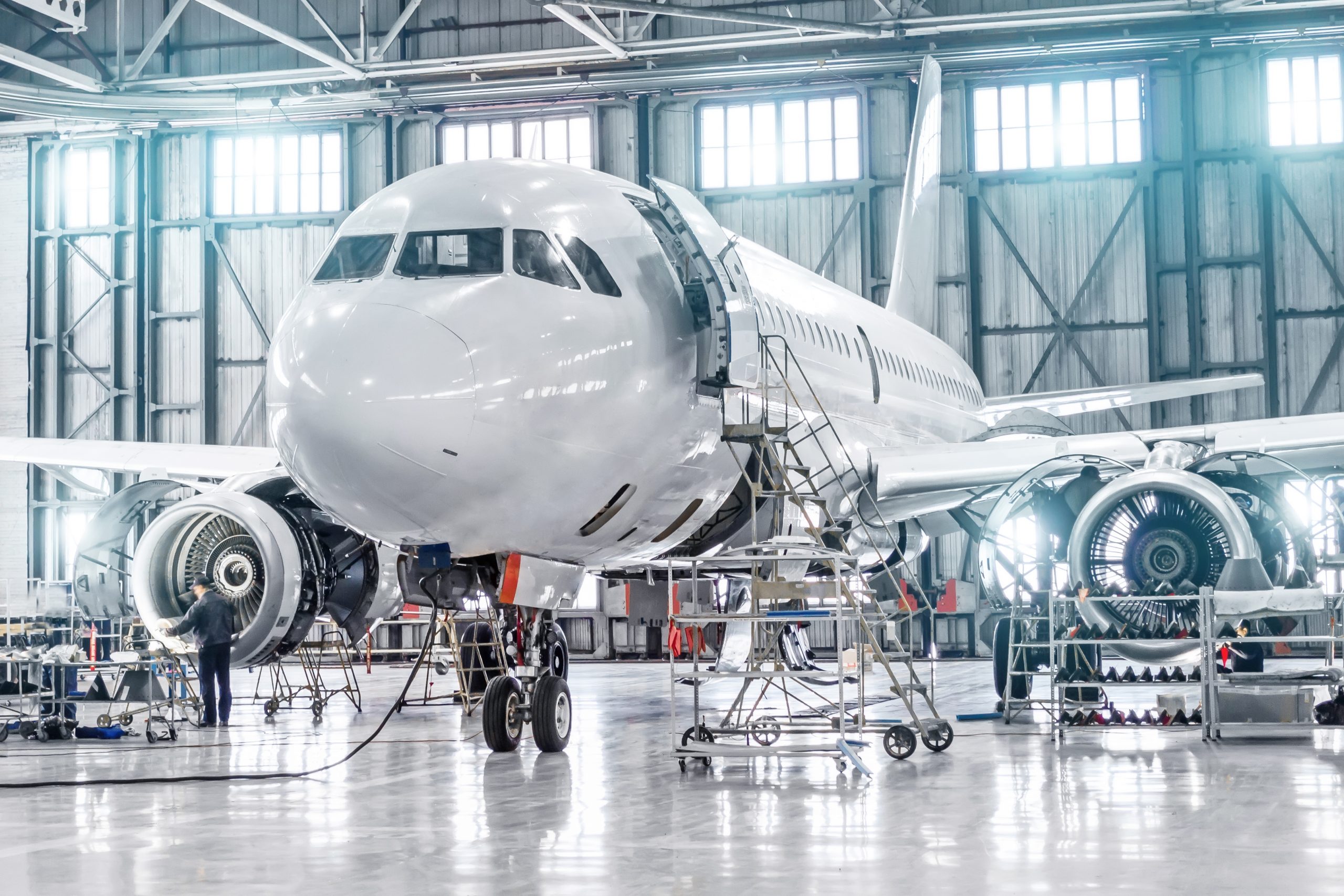
Westland, Spirit Aecosystem and GKN. UK businesses accept orders worth more than £474 billion for delivery by 2031. In addition, the UK is one of the countries that use the most aerospace data and technology in the world.
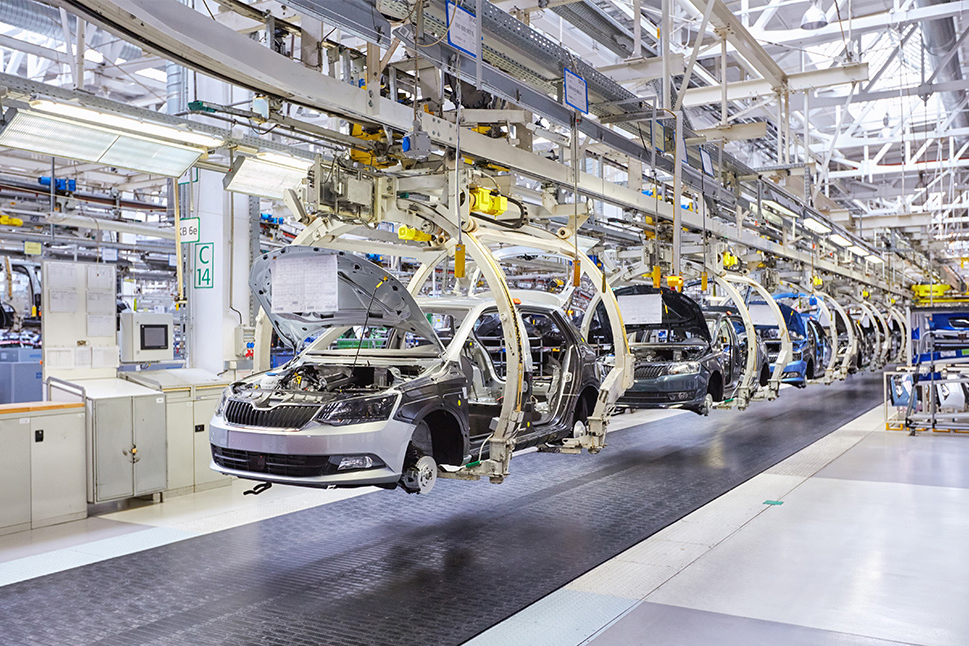
Germany is a powerful country in the world of automobile manufacturing. Mercedes-Benz and BMW are known to everyone, and Volkswagen, Audi and Porsche are well-known. In the global mid-to-high-end car market, German car brands occupy an important position, and Maybach and Bentley have become symbols of noble status. When it comes to German cars, people first think of safety, comfort, energy saving, environmental protection, beauty and durability. The reason why the automobile industry can lead other industries with more advantages, maintain the status of Germany’s primary industry for a long time, and show its superior strength and strong development momentum, its development characteristics deserve attention. First of all, German automobile manufacturers attach great importance to research and development, and strive to 

improve their core competitiveness. In the past 10 years, the German auto industry has invested about 200 billion euros in research and development. Twenty-eight percent of R&D personnel in German industry work in automotive research and development, while one in nine employees in the automotive industry works in R&D. The German auto industry produces an average of ten patents every day, with 3,650 patents obtained every year, making it a veritable world champion. All this ensures the global technological leadership of the German automotive industry and underlines the centrality of the German automotive industry in the German economy.

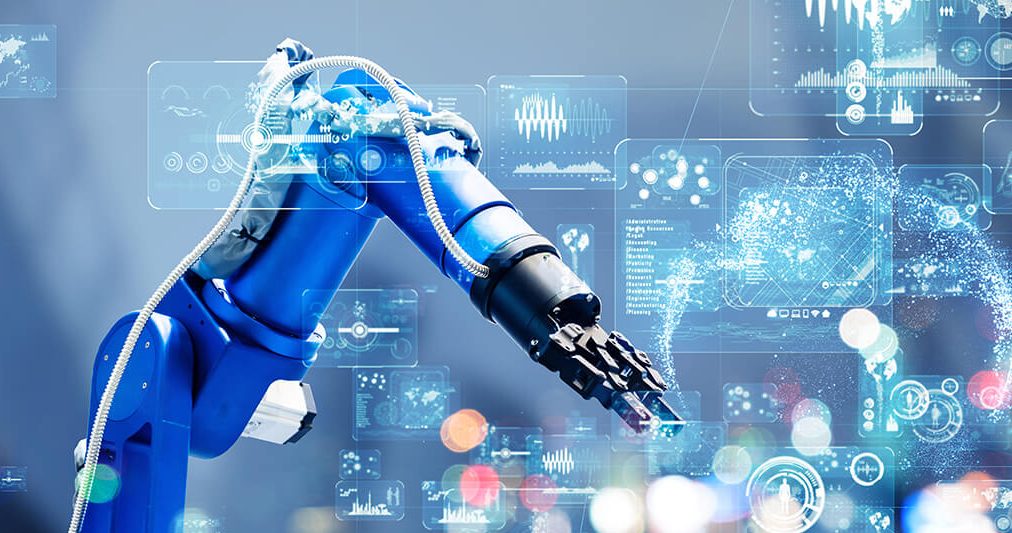
In the field of intelligent manufacturing, Swiss manufacturing ranks first in the world. Taking robots as an example, the world’s earliest writing robots originated in Switzerland. Today, in addition to large companies such as industrial robot giant ABB, Switzerland also has well-known companies such as the maxon motor used in the Mars rover, Hocoma, which is the dominant player in the medical rehabilitation industry, and the quadruped robot ANYmal.

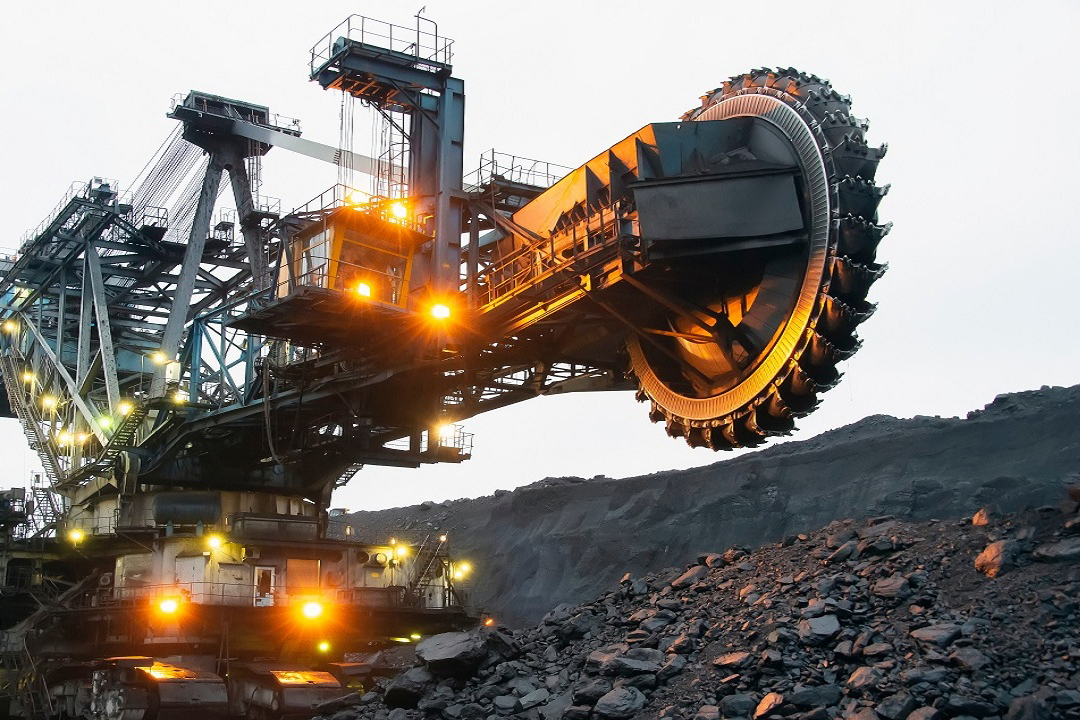
The mining industry in Slovakia has a long history. The mining of gold, silver, copper and other metal deposits was all the rage for a while, and as a result, many famous mining cities have been formed; Affected by factors such as development needs, Sri Lanka’s mining industry has gradually changed from prosperity to decline; looking forward to the future, as an industrial country, its demand for various mineral resources will not decrease in the short term, but it is also faced with the task of achieving the EU’s “carbon neutrality” goal. How to balance the relationship between mineral resource development, environmental protection and economic development will be one of the tests for the government’s ability to govern.

If you are interested in learning more about these research areas, please email the research group leader Industryresearch@eeido.org.