
Smart Factory
A smart factory is a flexible system capable of self-optimizing the performance of the entire network, adapting itself and learning new environmental conditions in real-time or near real-time, and running the entire production process automatically. Its key characteristics include: interconnected, optimized, transparent, forward-looking and agile. Each of these features facilitates informed decision-making and assists companies in improving their production processes.
Smart factories do not have a unique structure. Likewise, there is no single path to a successful smart factory. Every smart factory may look different due to differences in line layouts, products, automation equipment, etc., but the elements necessary to make a smart factory successful are roughly the same, and each is important, including data, technology, process, people and network security. Manufacturing enterprises can determine key investment areas according to the set goals.
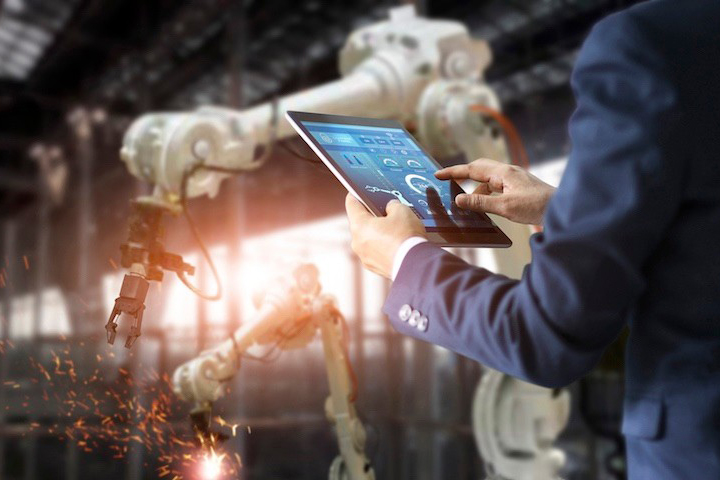
There are many different ways to build a smart factory. Companies can develop and implement plans based on their situation and the challenges or opportunities they face. The following steps can be taken by manufacturing companies when embarking on a smart factory.
The smart factory is far from the “ultimate form”, but an evolving solution – one that continues to tap into a host of features such as flexibility, interconnectivity and transparency. At a high level, smart factories are dynamic, so building them requires constant creative thinking: the possibility of envisioning a myriad of plausible structural possibilities in smart factory solutions. By investing in smart factories, manufacturing companies can stand out in a more complex and rapidly changing ecosystem and achieve improved efficiency.