
Industry 4.0 and the Digital Twin
Fundamentally, a digital twin is a digital representation of a physical entity’s past and present behavior or processes that can help improve business performance. Its true power lies in its ability to fully establish a near real-time connection between the physical and digital worlds, which is where the value of this technology lies. Digital twins are primarily used to model complex assets or processes.
Creating a digital twin focuses on two main areas:
Process and product lifecycle information requirements for designing digital twins – from the design of an asset to its in-field use and maintenance in the real world;
Create enabling technologies that integrate real assets and their digital.
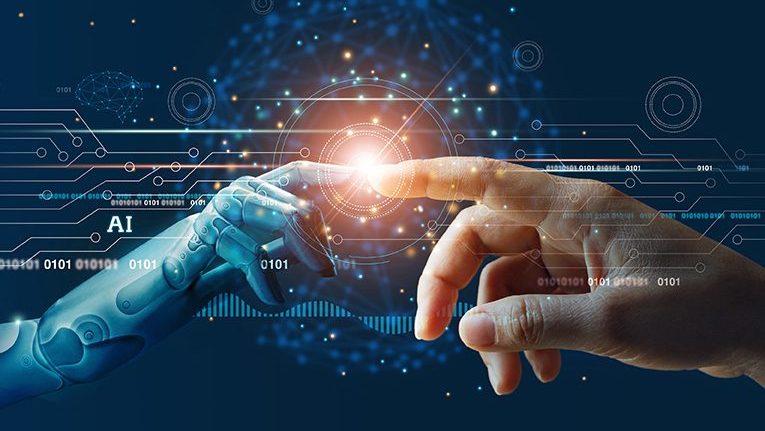
twins to enable real-time flow of sensor data with operational and transactional information across the enterprise’s core systems.
When exploring the business value of digital twins, companies must focus on issues related to strategic performance and market dynamics, including continuously improving product performance, accelerating design cycles, uncovering new potential revenue streams, and optimizing warranty cost management.
What’s more, unlike traditional projects, digital twins don’t come to an abrupt end. To have a long-term unique advantage in the market, companies should continue to try again in new business areas. At the same time, companies must infiltrate digital technology and digital twins into the entire organizational structure, covering R&D and sales, and use digital twins to change the business model and decision-making process of the company, so as to continuously create new revenue sources for the company.